
Report by
Outbreak
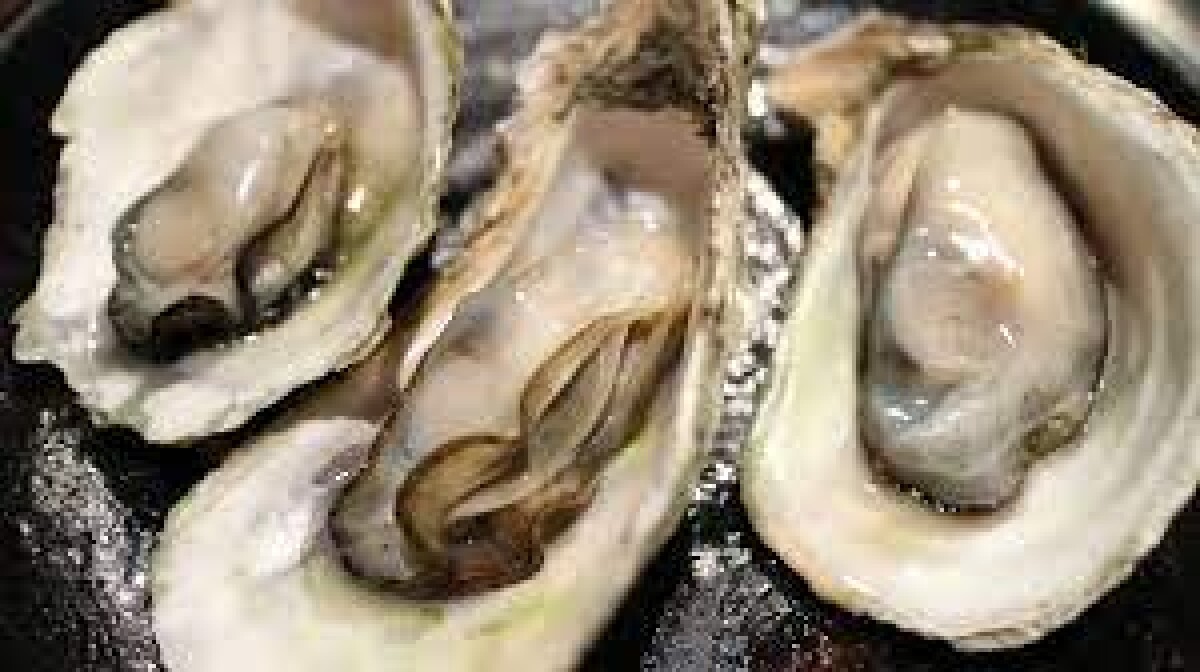
Raw oysters from British Columbia, Canada linked to multi-state Norovirus outbreak
4 years ago •source fda.gov
United States
####Update April 07, 2022As of April 6, 2022, at least 103 norovirus illnesses have been reported from 13 states: CA, CO, FL, HI, IL, MA, MN, NJ, NV, NY, OR, TX and WA. This number is an estimate based on the information that they have at this time. The investigation is ongoing.
Source: CDC
Update April 06, 2022
As of April 4, 2022, at least 91 norovirus illnesses have been reported from 13 states: CA, CO, FL, HI, IL, MA, MN, NJ, NV, NY, OR, TX and WA. This number is an estimate based on the information that they have at this time. CDC is working with state and local partners to determine a more accurate number of illnesses in this outbreak. The investigation is ongoing.
Source: www.cdc.gov/norovirus/outbreaks/index.html
April 04, 2022
The FDA along with the CDC, the Public Health Agency of Canada, the CFIA, and state and local partners, are investigating a multi-state outbreak of Norovirus illnesses linked to raw oysters from British Columbia, Canada. The FDA has confirmed that potentially contaminated raw oysters harvested in the south and central parts of Baynes Sound, British Columbia, Canada, were distributed to restaurants and retailers in CA, CO, FL, HI, IL, MA, MN, NJ, NV, NY, OR, TX, and WA. It is possible that additional states received these oysters through further distribution within the U.S.
Retailers should not serve raw oysters harvested from the following harvest locations (or landfiles) within Baynes Sound: #1407063, #1411206, #278737 in BC 14-8 and #1400036, in BC 14-15. "Baynes Sound" will show on product tags as "14-8"and/or "DEEP BAY", or "14-15."
Consumers should not eat any raw oysters from the locations listed above. If they have any of the listed products, they should throw them in the garbage. Restaurants and retailers should not sell the potentially affected raw oysters and should dispose of any products by throwing them in the garbage or returning them to their distributor for destruction.
Oysters can cause illness if eaten raw, particularly in people with compromised immune systems. Food contaminated with norovirus may look, smell, and taste normal. It is important to be aware that noroviruses are relatively resistant to heat. They can survive temperatures as high as 145°F. Quick steaming processes that are often used for cooking shellfish may not heat foods enough to kill noroviruses.
In case you are experiencing Norovirus symptoms, it is important to report it. It can help to detect & resolve outbreaks early and prevent others from being harmed, and it enables better surveillance.
Source: www.fda.gov/food/alerts-advisories-safety-information/fda-advises-restaurants-and-retailers-not-serve-or-sell-potentially-contaminated-raw-oysters-canada
312
1 Share
Comments
Comment