
Report by
Regulatory Report
Food Safety Report: FDA warning letter to 5,000 Years Foods, Inc.
4 years ago •source fda.gov • business
3465 North Kimball Avenue, Chicago, 60618 Illinois, United States
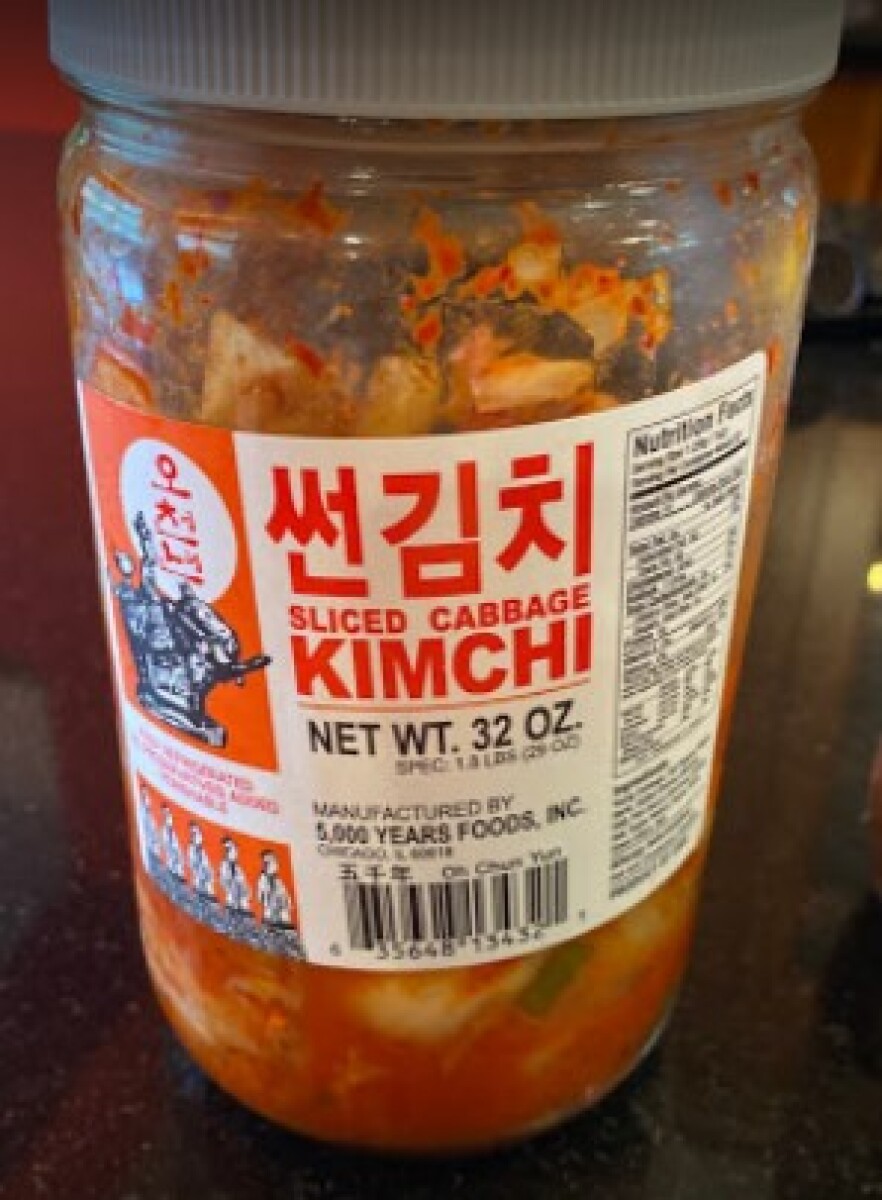
The FDA released a warning letter for 5,000 Years Foods, Inc. located at 3465 N. Kimball Ave, Chicago, IL 60618 on January 27, 2022During the inspection, FDA investigators found serious violations, determining that the ready-to-eat kimchi products manufactured in the facility were adulterated in that they were prepared, packed, or held under insanitary conditions whereby they may have become contaminated with filth or whereby they may have been rendered injurious to health.
The deviations found at the facility are:
Hazard Analysis and Risk-Based Preventive Controls :
The hazard analysis did not evaluate known or reasonably foreseeable hazards to determine whether there are any hazards requiring a preventive control for your ready-to-eat kimchi products (e.g., sliced cabbage kimchi, cube cut radish kimchi, and white whole kimchi). Specifically:
a) They did not evaluate environmental pathogens, such as Listeria monocytogenes, to determine whether they are a hazard requiring a preventive control.
b) They did not evaluate allergen cross-contact to determine whether it is a hazard requiring a preventive control. The facility manufactures multiple products with different allergen profiles on the same day and on shared equipment, which can result in allergen cross-contact without appropriate controls.
c) They did not evaluate undeclared allergens due to an incorrect label to determine whether it is a hazard requiring a preventive control. The facility manufactures sliced cabbage kimchi and cube cut radish kimchi which contain anchovy and shrimp allergens. Therefore, it is required to identify and implement allergen preventive controls.
d) They did not evaluate bacterial pathogens in your ingredients to determine whether they are a hazard requiring a preventive control (i.e., a supply-chain control) in your ingredients. The facility manufactures kimchi with cabbage, garlic, and green onion (e.g., sliced cabbage kimchi) and with radish (e.g., cube cut radish kimchi and white whole kimchi). These ingredients have been associated with pathogens such as Salmonella, pathogenic E. coli, and Listeria monocytogenes. A preventive control has not been established within the facility for a lethal treatment or formulation control for these pathogens.
Current Good Manufacturing Practice :
1) They did not take effective measures to exclude pests from their manufacturing, processing, packing, and holding areas to protect against contamination of food. Specifically, the front door of the facility was observed left open throughout the inspection.
2) They did not take reasonable measures and precautions to ensure that all persons working in direct contact with food wash their hands thoroughly (and sanitize if necessary, to protect against contamination with undesirable microorganisms) before starting work, after each absence from the work station, and at any other time when the hands may have become soiled or contaminated.
3) They did not conduct all food manufacturing, processing, packing, and holding under such conditions and controls as are necessary to minimize the potential for the contamination of food.
4) The equipment and utensils were not designed, constructed, and used appropriately to avoid the adulteration of food with contaminants. Specifically, during the inspection, several food-contact mechanisms were observed to have been recently painted
For more details please check on FDA website: www.fda.gov/inspections-compliance-enforcement-and-criminal-investigations/warning-letters/5000-years-foods-inc-617797-01272022
About FDA Warning letters: "When FDA finds that a manufacturer has significantly violated FDA regulations, FDA notifies the manufacturer. This notification is often in the form of a Warning Letter. The Warning Letter identifies the violation, such as poor manufacturing practices, problems with claims for what a product can do, or incorrect directions for use. The letter also makes clear that the company must correct the problem and provides directions and a timeframe for the company to inform the FDA of its plans for correction."
Source: FDA
90
Comments
Comment